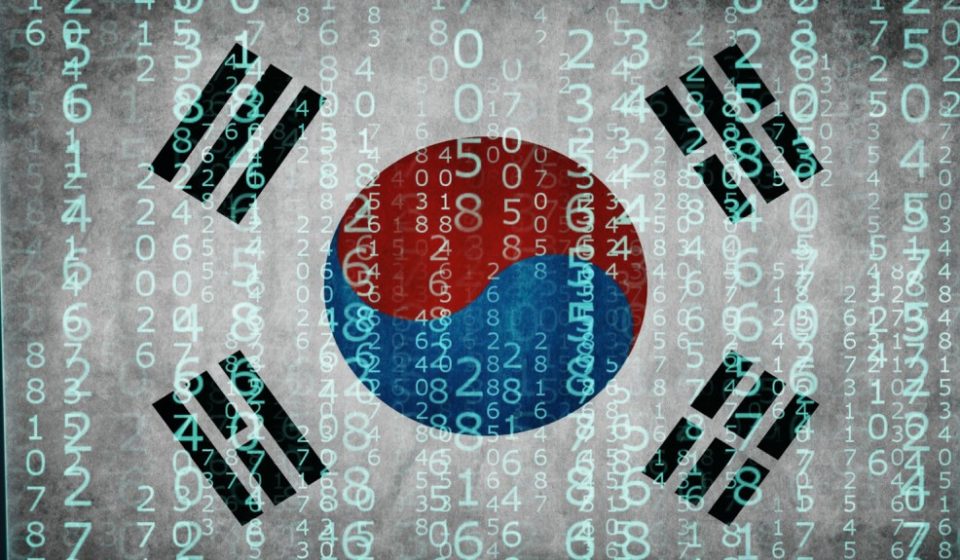
South Korea disclosed a major data breach on July 22, 2026, that exposed the personal information of current and former Ministry of Foreign Affairs employees. Hackers maintained access to the National Diplomatic Academy’s online education system for ten months, stealing data belonging to thousands of diplomats and government personnel worldwide.
What Happened: South Korea Diplomat Data Breach Spans Ten Months
The South Korean Ministry of Foreign Affairs (MFA) announced that an unknown threat actor exploited a vulnerability in the National Diplomatic Academy’s server in April 2025. Consequently, the attacker gained persistent access to an online education platform used for government training and video conferencing.
Data was leaked between April 2025 and February 2026. The ministry estimates that at least 6,000 individuals were affected. Furthermore, approximately 350 current government attachés dispatched to overseas missions were among the victims. Korean media reports suggest the total number of affected individuals may be as high as 10,000.
The breach was discovered in February 2026 by South Korea’s National Intelligence Service, which alerted the MFA of the compromise. However, the ministry delayed public disclosure for five months. An MFA spokesperson explained during a press briefing that the delay was necessary due to the sensitivity of diplomatic and security affairs.
Technical Details of the South Korea Diplomatic Platform Breach
The compromised system was an online education platform established in 2022 to support remote training during the COVID-19 pandemic. The platform has since been used for government personnel training and video conferencing.
According to the ministry’s announcement, the leaked information includes user IDs, names, email addresses, and encrypted passwords. However, the MFA stated that no unique identification numbers, sensitive personal information, mobile phone numbers, photographs, or home addresses were exposed.
Korean media reports indicate that official job titles and departmental affiliations were also leaked. Therefore, the breach may expose the organizational structure and roles of South Korean diplomatic personnel.
Why the Breach Went Undetected for Ten Months
One critical factor enabled the prolonged compromise. The compromised server was located inside the Ministry of Foreign Affairs headquarters. Moreover, it was reportedly excluded from regular security scrutiny. This blind spot allowed the attacker to operate undetected for nearly a year.
Business and Operational Impact
The exposure of diplomatic personnel data carries significant geopolitical and operational consequences. The following categories summarize the key risks:
- Diplomatic security risks: Exposed names, email addresses, and job titles could enable targeted phishing, social engineering, or physical surveillance of diplomatic personnel.
- Credential reuse attacks: Stolen encrypted passwords may be cracked and reused against other government systems if MFA is not enforced.
- Intelligence gathering: Adversaries can map diplomatic organizational structures, identify high-value targets, and correlate personnel with ongoing missions.
- International trust: Partner nations may reassess information-sharing agreements with South Korea following this prolonged exposure.
- Compliance and legal exposure: South Korea’s Personal Information Protection Act may trigger regulatory penalties and mandatory corrective actions.
Moreover, the five-month delay in public disclosure raises questions about transparency obligations. Impacted individuals were unable to take protective measures during that window.
Mitigation and Recommendations
Organizations operating sensitive government or diplomatic platforms must treat this incident as a wake-up call. The following steps provide a prioritized response framework.
Immediate Actions for Defenders
- Audit internal servers for security monitoring gaps. Any system excluded from regular scrutiny is a prime target for long-term compromise.
- Rotate all credentials associated with compromised platforms. Assume encrypted passwords may eventually be decrypted.
- Enforce multi-factor authentication across all government systems. MFA significantly reduces the risk of credential reuse attacks.
- Notify affected personnel immediately. Provide clear guidance on phishing awareness and suspicious communications.
- Review third-party training and conferencing platforms. Assess whether internally hosted platforms receive the same security attention as public-facing infrastructure.
Long-Term Hardening
Beyond the immediate response, organizations should strengthen their internal security posture. For example, implementing zero-trust network architecture ensures that no internal server is implicitly trusted. Additionally, continuous monitoring and behavioral analytics can detect anomalous activity even on legacy or internal systems.
Furthermore, security teams should review disclosure timelines. The five-month delay in this case left affected individuals unaware of their exposure. Therefore, balancing operational secrecy with transparency obligations is essential for maintaining public trust.
Bottom line: Internal servers excluded from security monitoring create perfect hiding places for threat actors. Audit your blind spots, rotate credentials, and enforce MFA before attackers find the gaps first.
Incident Summary
| Incident: | South Korea National Diplomatic Academy Data Breach |
| Affected Systems: | National Diplomatic Academy online education platform (internal server) |
| Disclosure Date: | July 22, 2026 |
| Breach Period: | April 2026 – February 2026 (10 months) |
| Affected Individuals: | At least 6,000 (up to 10,000 reported by media); 350 active overseas attachés |
| Data Exposed: | User IDs, names, email addresses, encrypted passwords, job titles, departmental affiliations |
| Patch Status: | Platform access blocked; additional security measures implemented |
| Severity: | High — prolonged exposure of diplomatic personnel data with intelligence implications |
References
- South Korean Ministry of Foreign Affairs, Official Announcement, July 22, 2026, http://www.mofa.go.kr/www/brd/m_4075/view.do?seq=369430, accessed July 22, 2026.
- BleepingComputer, Bill Toulas, “South Korea discloses data breach impacting diplomats worldwide,” July 22, 2026, https://www.bleepingcomputer.com/news/security/south-korea-discloses-data-breach-impacting-diplomats-worldwide/, accessed July 22, 2026.
- Korea JoongAng Daily, “Personal data of all South Korean diplomats believed leaked in unprecedented cyberattack,” July 22, 2026, https://www.koreajoongangdaily.com/korea/personal-data-of-all-south-korean-diplomats-believed-leaked-in-unprecedented-cyberattack/12784302, accessed July 22, 2026.
- Dong-A Ilbo, “Foreign ministry confirms massive data leak affecting diplomats,” July 22, 2026, https://www.donga.com/news/Politics/article/all/20260721/134332677/2, accessed July 22, 2026.